

On October 22, 2026, Cornerstones participated in a Virginia Hunger Roundtable discussion with other state leaders in the food security space.
Virginia’s food assistance network faces growing demand as rising living costs and reported reductions in federal support put more households at risk. Several participating organizations reported approximately 30% growth in demand between 2025 and 2026, with continued increases anticipated through 2027. Providers are responding with limited food supplies, volunteer shortages, transportation barriers, and uneven capacity across communities.
The discussion highlighted five major findings:
Food insecurity is reaching more working and middle-income households. Participants described families seeking assistance for the first time as food, housing, healthcare, and transportation costs outpace their resources. Former federal workers affected by job cuts were also identified as an emerging population needing support.
Changes to public benefits could deepen hunger and strain charitable providers. Participants raised concerns about cuts and stricter eligibility and work requirements affecting SNAP, Medicaid, school meals, and other programs. They reported that approximately 7,000 Virginia students had lost direct certification for free school meals, underscoring the connections between benefit programs.
Children’s access to school meals remains a central policy priority. Recent legislative gains addressed meal denial, disposal of meals already served, and lawsuits over school meal debt. Advocates prioritized universal free breakfast, estimated at $30 million annually, and a statewide review of Community Eligibility Provision participation to identify schools at risk during recertification.
Access barriers extend beyond food availability. Fear of immigration enforcement is reportedly keeping some families away from pantries, transit, and public services, increasing the importance of direct delivery. Complicated benefit applications, technology limitations, and transportation gaps also prevent households from accessing available assistance.
Lasting solutions require stronger food infrastructure and coordination. Participants emphasized integrating food access into community planning, supporting regional food hubs and Virginia farmers, expanding campus hunger initiatives, and exploring community food models suited to underserved areas.
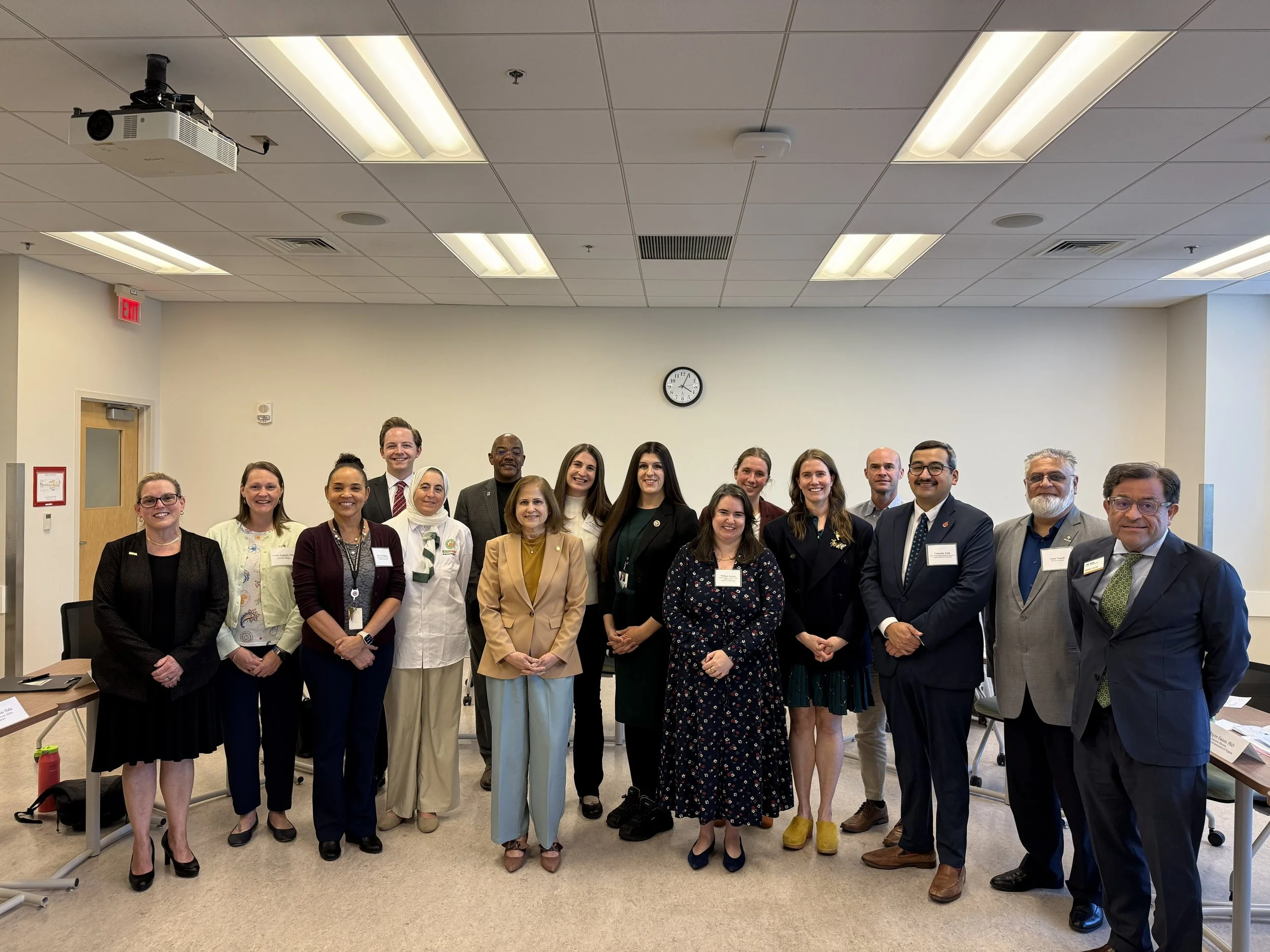
Third from left is Maura Williams, Executive Vice President of Housing and Community Programs. L-r: unknown; Leslie Huglund, Norfolk State University; Maura Williams, Cornerstones; unknown; Christina Tobias-Nahi, ICNA Relief; Wayne Faison, Baptist General Association of Virginia; Lieutenant Governor Ghazala Hashmi; Jessica Shear, PWC Hunger Free; Senator Danica Roem, Chair, Virginia Commission to End Hunger; Melissa Jensen, Capital Area Food Bank; Hannah Wyatt, Virginia Poverty Law Center; Sarah Steely, No Kid Hungry Virginia; Rob Rutland-Brown, Lorton Community Action Center; Gonzalo Aida, American Heart Association; Amir Saeed, ICNA Relief; unknown, Northern Virginia Community College.
Priority actions emerging from the meeting included protecting SNAP and school meal access; establishing permanent Fresh Match funding; simplifying benefit enrollment; strengthening regional food infrastructure; and expanding tax incentives for charitable food providers. Participants also proposed approximately $5 million annually to reimburse stolen EBT benefits, citing DSS reports of more than 4,000 fraud cases involving approximately $2.4 million from January through July 2026.
The discussion supported Cornerstones forward momentum: preparing for sustained demand, strengthening food rescue and distribution partnerships, and maintaining accessible service options for households facing transportation or other barriers.
Thank you to Lieutenant Governor Ghazala Hashmi and Northern Virginia Community College for hosting the discussion.